
What flight training actually costs at KSUW in Superior, Wisconsin
Superior Flying Services publishes hourly rates rather than one package price: Cessna 172s $145–$155 per hour wet, instruction $85 per hour, the training device $65 per hour. What a certificate ends up costing depends almost entirely on how often you fly.
By Superior Flying Services
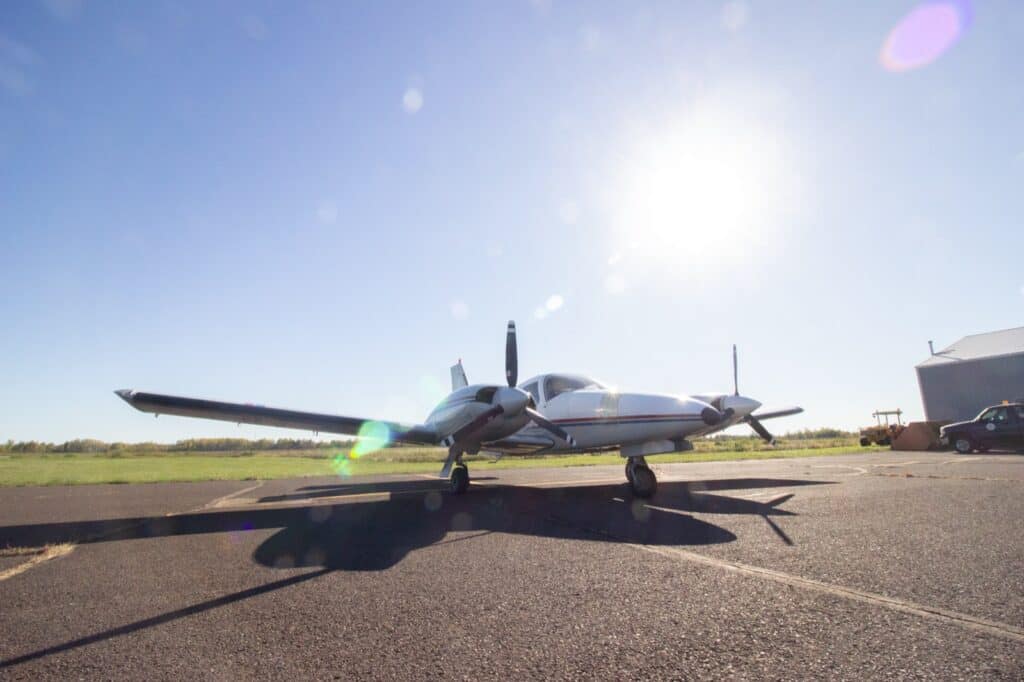
Superior Flying Services publishes hourly rates rather than one package price. A Cessna 172 is $145–$155 per hour wet, flight instruction is $85 per hour, the PFC DCX Max training device is $65 per hour, and the 1983 Piper Seneca III is $395 per hour + tax for multi-engine training. Students pay lesson by lesson, so nothing is owed up front beyond the flight just taken — and a $125 Discovery Flight is the entire commitment required to start.
Why there is no one number
A flight school that quotes a single figure for a Private Pilot certificate is quoting an average of other people. The FAA minimum for the certificate is 40 hours; most people need more than that, and the gap between “more” and “quite a lot more” is set by one thing, which is frequency.
A student flying two or three times a week arrives at each lesson still holding last lesson’s work. A student flying once a month spends the first half of every lesson re-learning something already paid for. Same instructor, same airplane, same published rate — a materially different total.
The parts of the bill
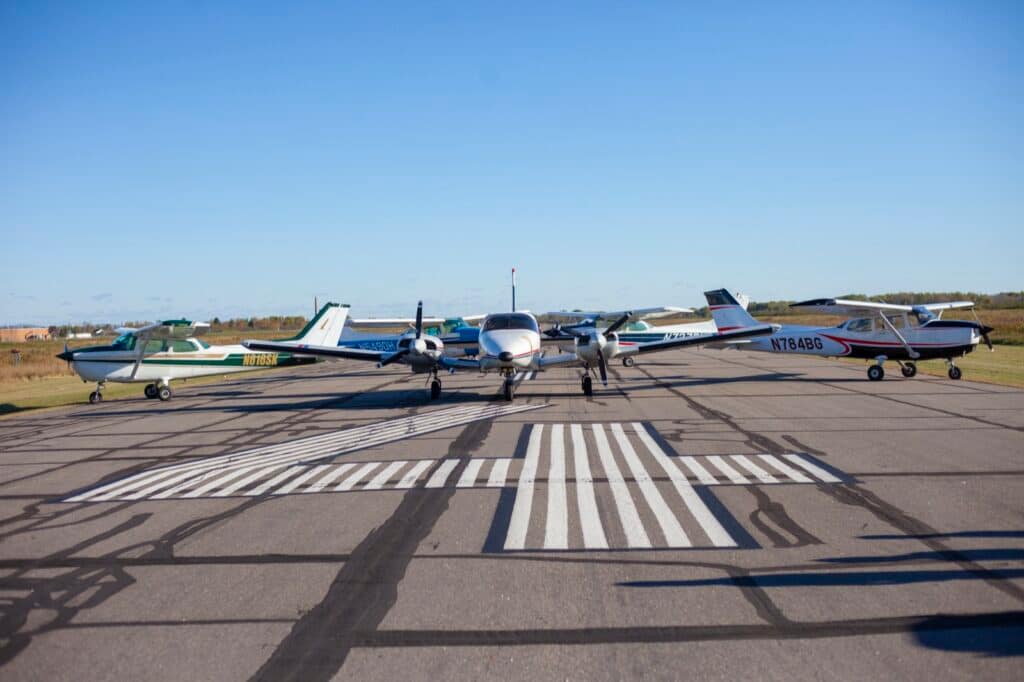
- Aircraft. Four Cessna 172s, $145–$155 per hour wet. The 160 HP VFR trainers are the least expensive hour on the field; the glass-panel and IFR-certified airplanes sit at the top of that range.
- Instruction. $85 per hour, on top of aircraft time, for the hours an instructor is actually with you.
- The training device. $65 per hour in the PFC DCX Max. Procedures and approach repetition cost less here than they do in the air, which is the whole reason it exists.
- Everything that isn’t flying. An FAA medical certificate, books, a headset, the written exam fee, and the examiner’s fee at the checkride. These are paid separately and are worth budgeting for from day one.
What moves the number most
Frequency first, preparation second. Showing up with the ground study done and the procedures chair-flown turns a paid hour into an hour of flying rather than an hour of catching up. After that it is your destination: a Private Pilot certificate, an Instrument rating and a Commercial certificate are three different budgets, and the school will work out a real estimate for whichever one you actually want.
Financing exists if the whole path at once suits you better than paying as you go — Superior Flying Services works with Stratus Financial, a lender that finances flight training specifically. Aviation scholarships through AOPA, EAA chapters and regional flying groups are worth applying for either way, and far fewer people apply than you would expect.
The next step
The real estimate takes a phone call, not a form. Call 715-394-6444 and somebody will build one for the rating you want, including the parts of the bill that are not flying. If the question is really “is this for me at all”, that is what a Discovery Flight is for.